The Anti-Boudoir
Fine Art Intimate Portraiture | Atlanta | Q. Oliver, Photographer
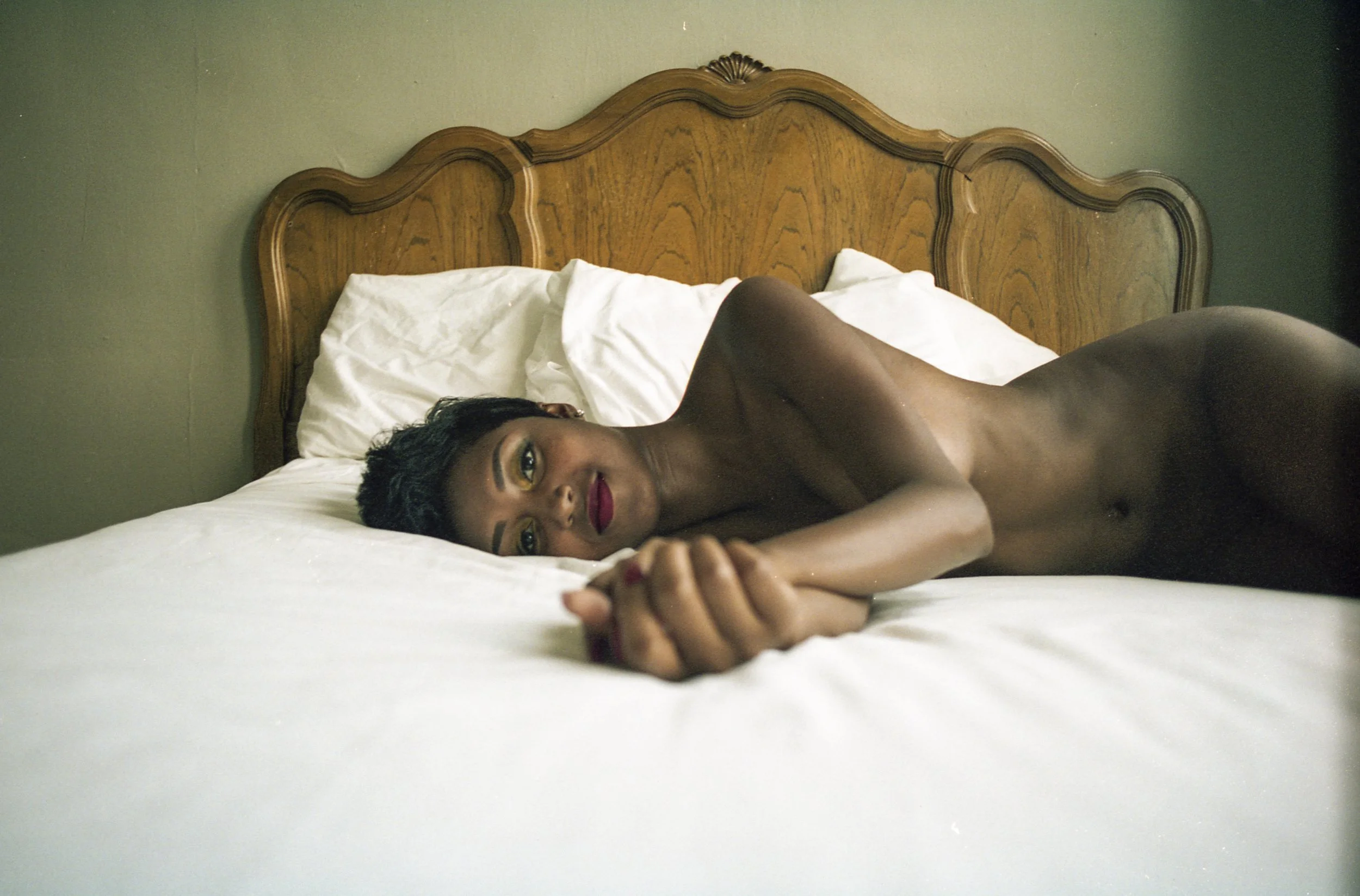
She shut the book and took a deep breath.
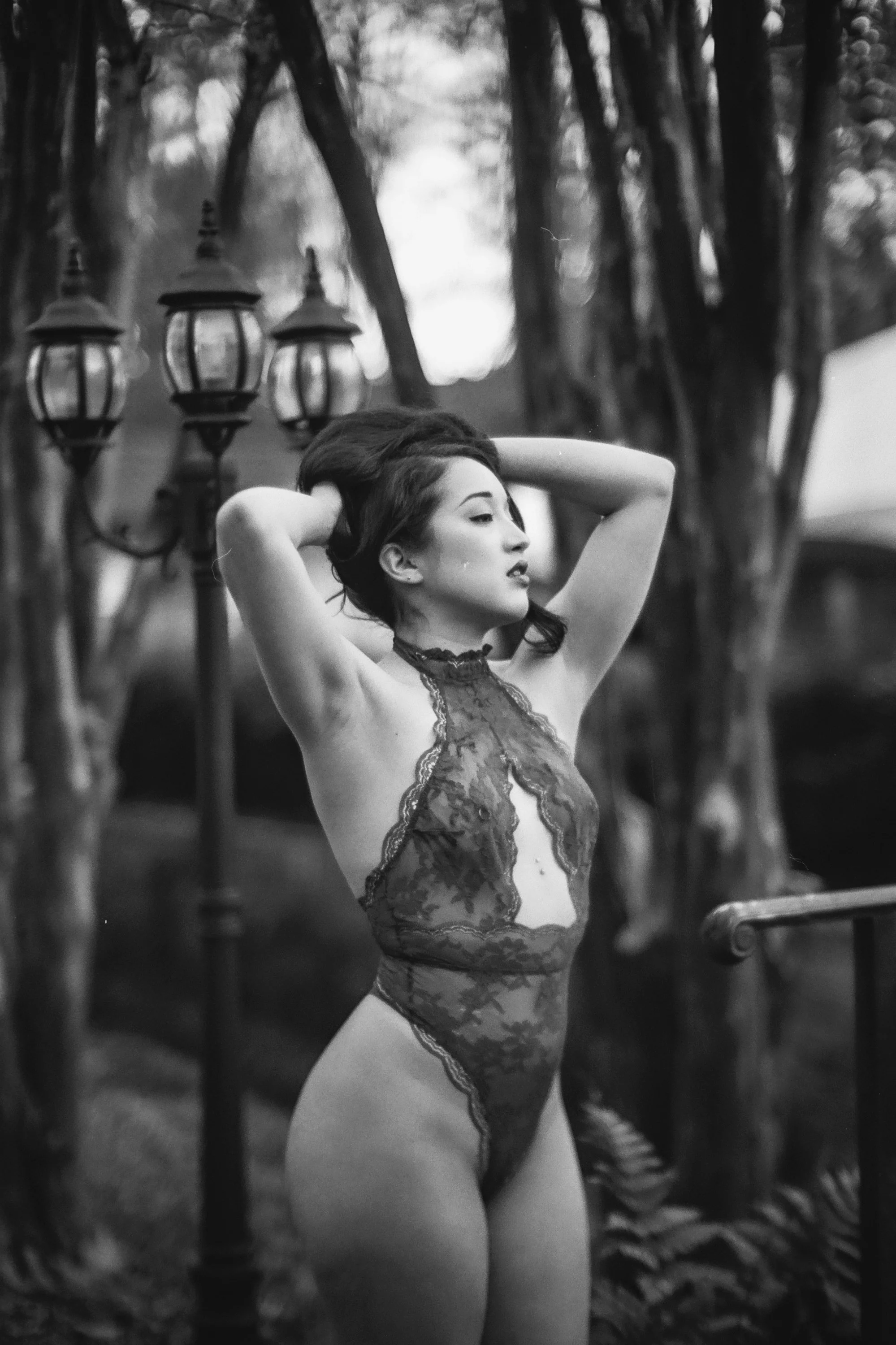
We were mid-session — a friend I'd worked with dozens of times — flipping through a collection of photographs by the late Helmut Newton. Page after page of black and white portraits: models in statuesque poses surrounded by gothic architecture and manicured gardens. Sigourney Weaver. Kate Moss. Claudia Schiffer. The same photographs that inspired me to pick up a camera almost a decade and a half ago. The same kind of work that eventually led to my own photographs sitting alongside Newton's in the permanent collection of the Museum of Fine Arts, Houston.
But in that moment, none of that mattered.
"These are beautiful," she said, clutching the book tightly, "but I don't think I can do this." Her voice carried a heavy, defeated sigh — as if she wanted to squeeze the energy straight from those photos into her body but just couldn't find the connection.
"What's wrong?" I asked, genuinely puzzled. We'd made incredible work together before.
"I just don't see myself in these. These women look like art. They are all slim and toned and..."
"You're joking, right?" I interjected. "Have you seen you? Have you seen the photos we've made together? You have just as much a right to feel like art as the women in this book."
Before I could finish, my wife rushed into the room and grabbed the book to see what we were talking about — because she couldn't believe what she was hearing either. But that's when it struck all three of us: whenever we view photographs in a museum or gallery, it's often the same type of woman who represents "beauty." The classic tall, slim, European figure and facial structure. I could go on a rant about how unrealistic beauty standards shape the way both men and women see each other and ourselves, but I'll save that for another day.
What this conversation taught me — really taught me — is how important it is to truly celebrate who we naturally are.
I get it. Or at least I like to think I understand as much as any man can understand the desire to feel seen, appreciated, and powerful in your own skin. There's a certain electricity in learning to love yourself and the body you've been blessed with, and that's worth documenting. Worth preserving. Worth treating like fine art.
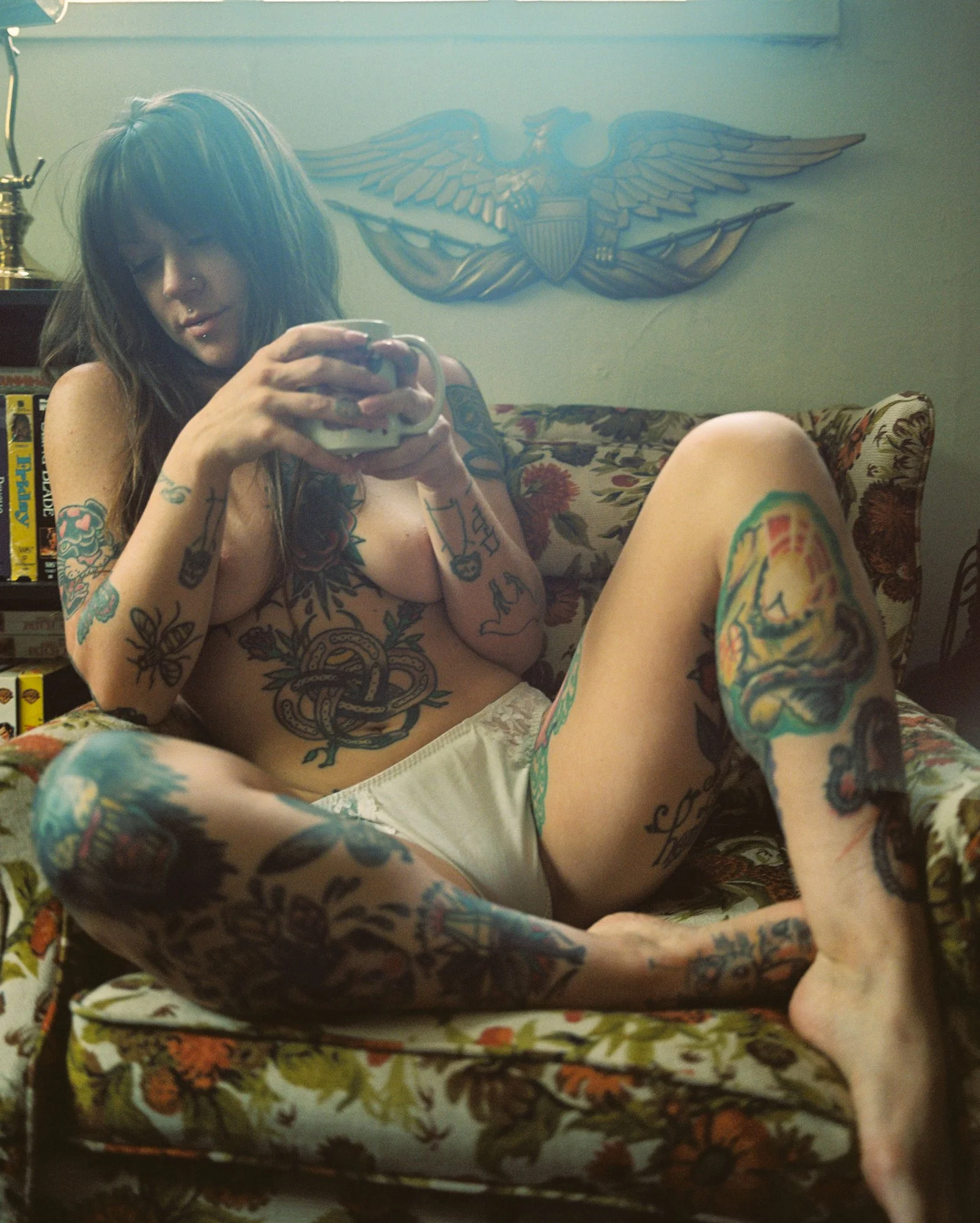
It took a while and many deep conversations before that became clear to me. When I started this journey, I and the people around me were all in our early twenties. We discovered ourselves through a new wave of creative expression — documenting our lives like diary entries, securing leading roles in each other's stories. It was beautiful. And through it all, I've had the privilege of photographing and working with some extraordinary people. While the end result was often a beautiful photograph, what mattered most was the experience of learning to become ourselves through art.
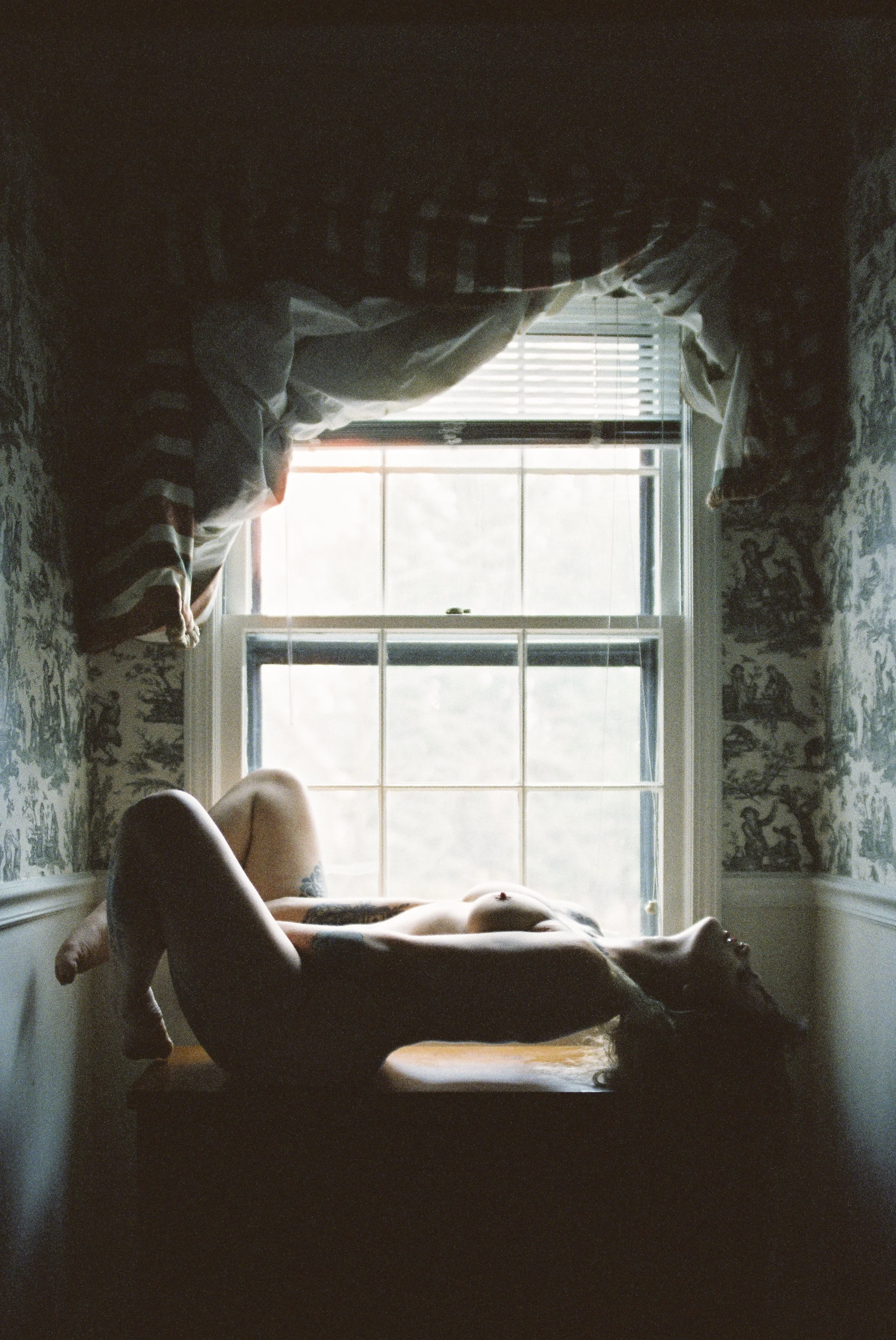
In a world inundated with AI, Photoshop, filters, and ultra-processed everything, authenticity isn't just refreshing — it's radical. My job, then, is to help build a world where individuals can walk into a gallery or museum and truly see themselves reflected in the art. Not something that feels unattainable. Not something airbrushed into a version of beauty that doesn't actually exist. Themselves.
This wasn't exactly a new concept for my work. But having a woman I'd photographed before — a woman whose beauty I had already witnessed and documented — tell me that she couldn't see herself or her reflection in photographs considered by many to be the pinnacle of fine art portraiture? That gave me reason to take a much closer look at how I can help individuals truly feel seen and appreciated.
That's where the concept of The Anti-Boudoir was born.
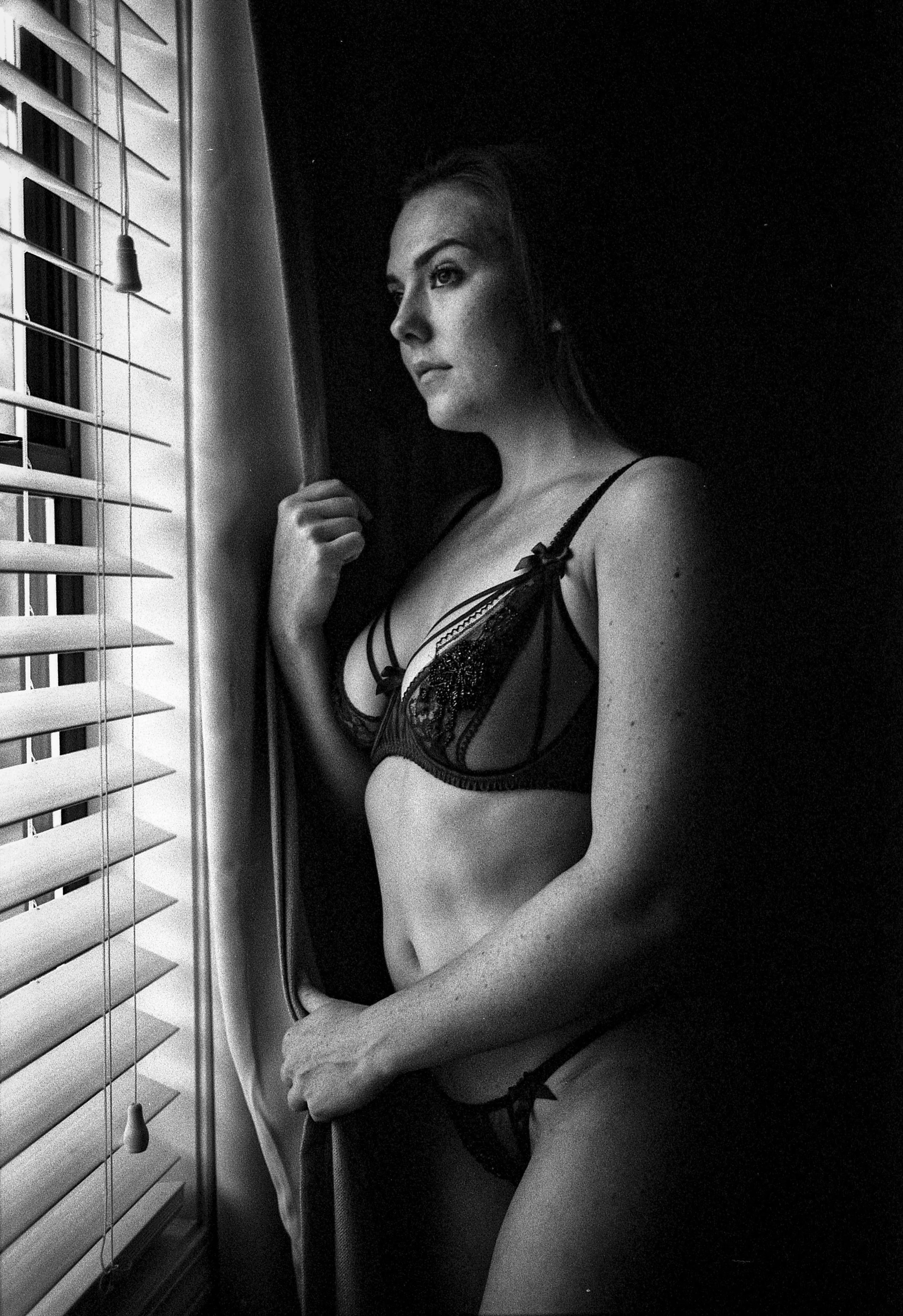
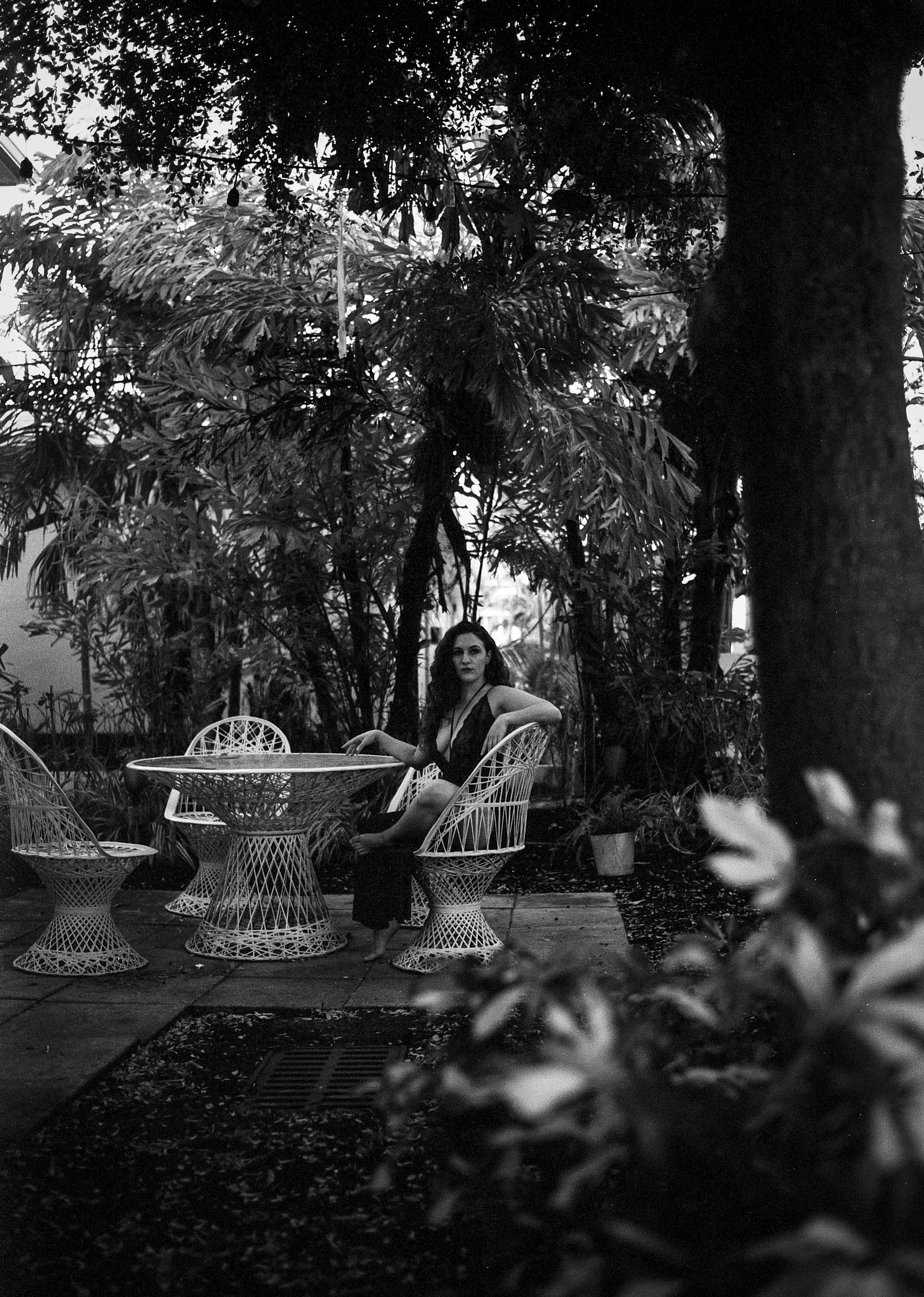
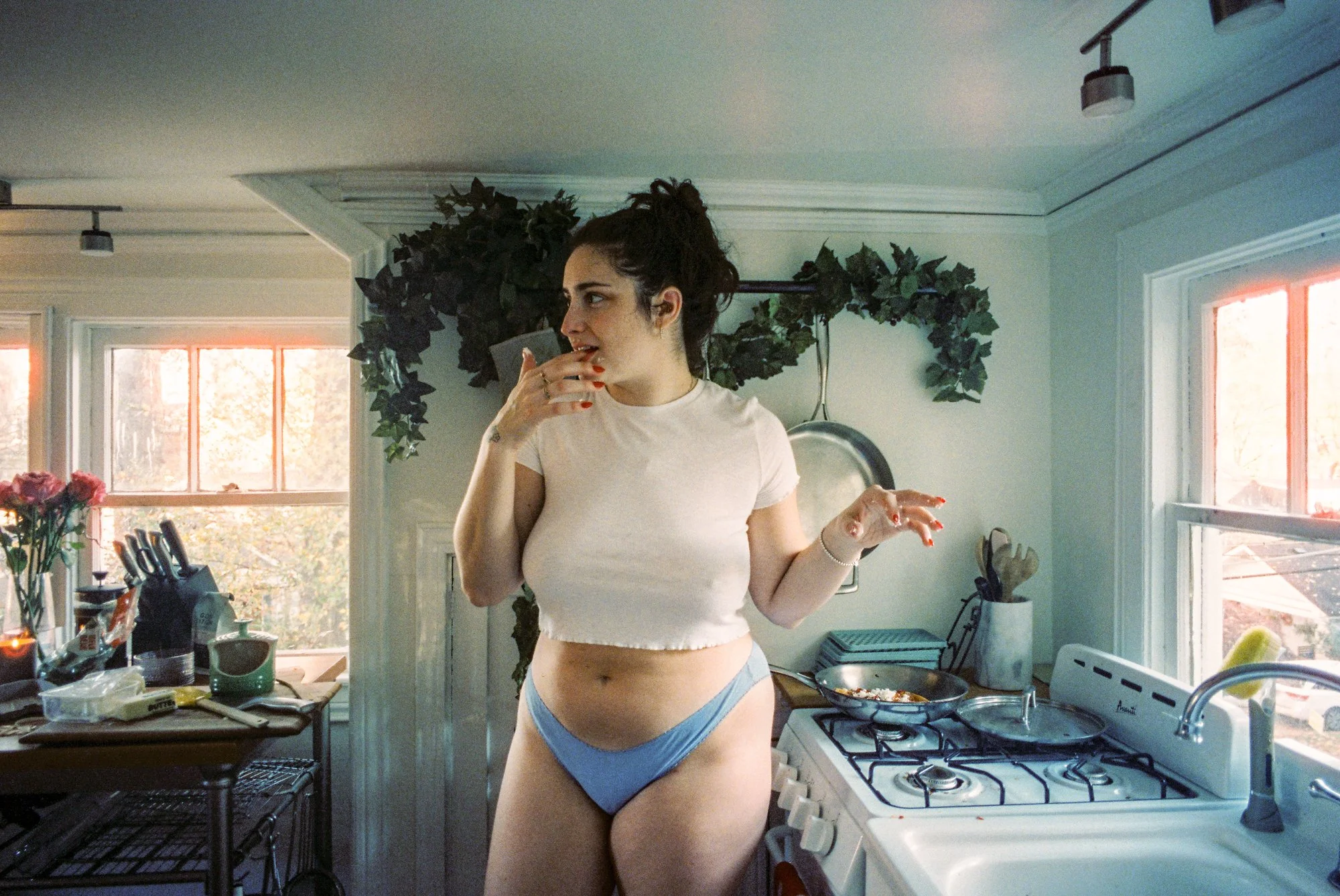
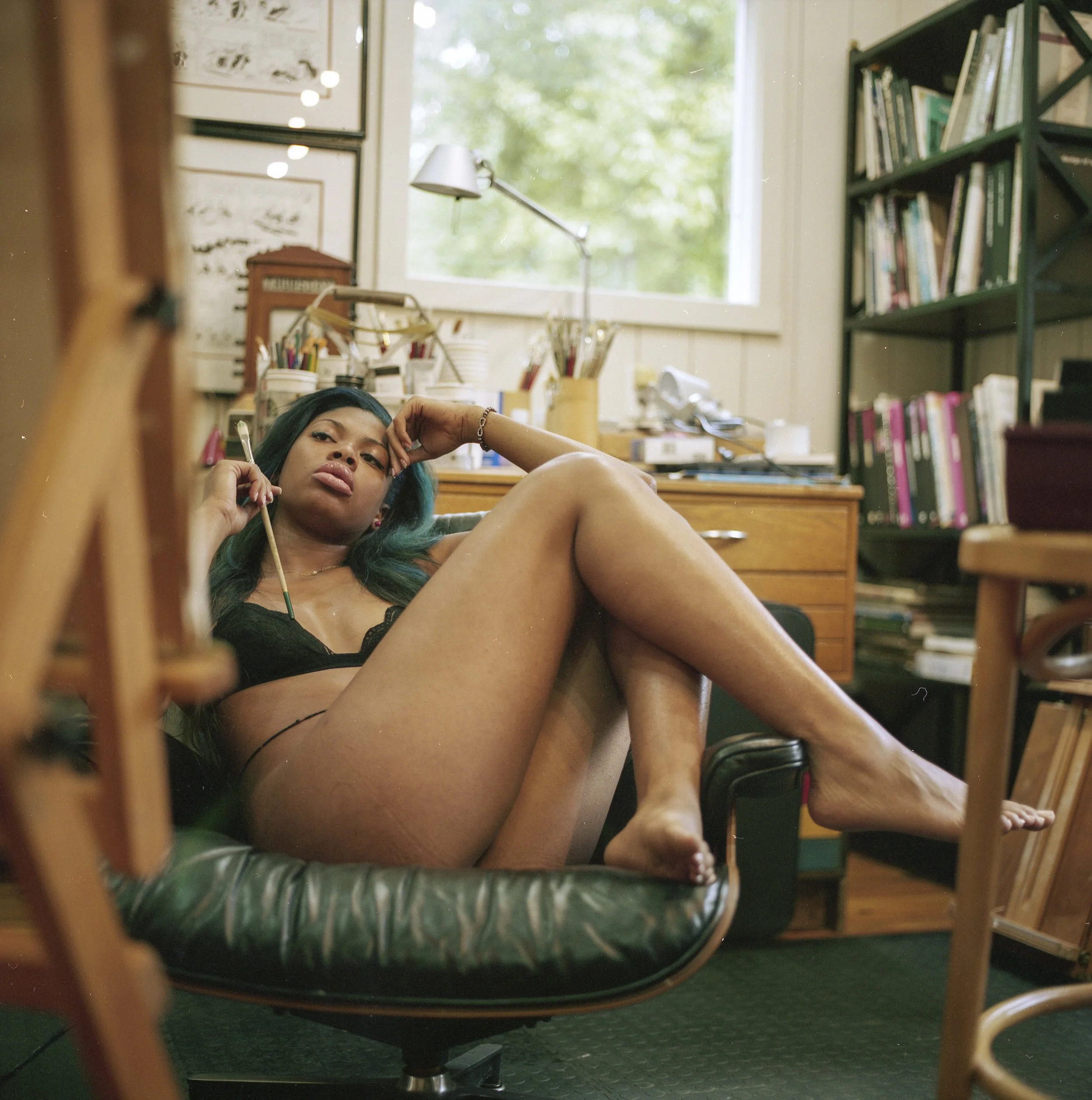
This is not boudoir. Not the version you're imagining, anyway. There is no studio. No ring light. No set of poses pulled from a Pinterest board. No backdrops. No retouching you into someone you wouldn't recognize.
When I enter your space — your home, your kitchen, your bedroom at the hour when the light does that thing — the idea isn't to make you fit into the art we're creating. It's to make art that fits you.
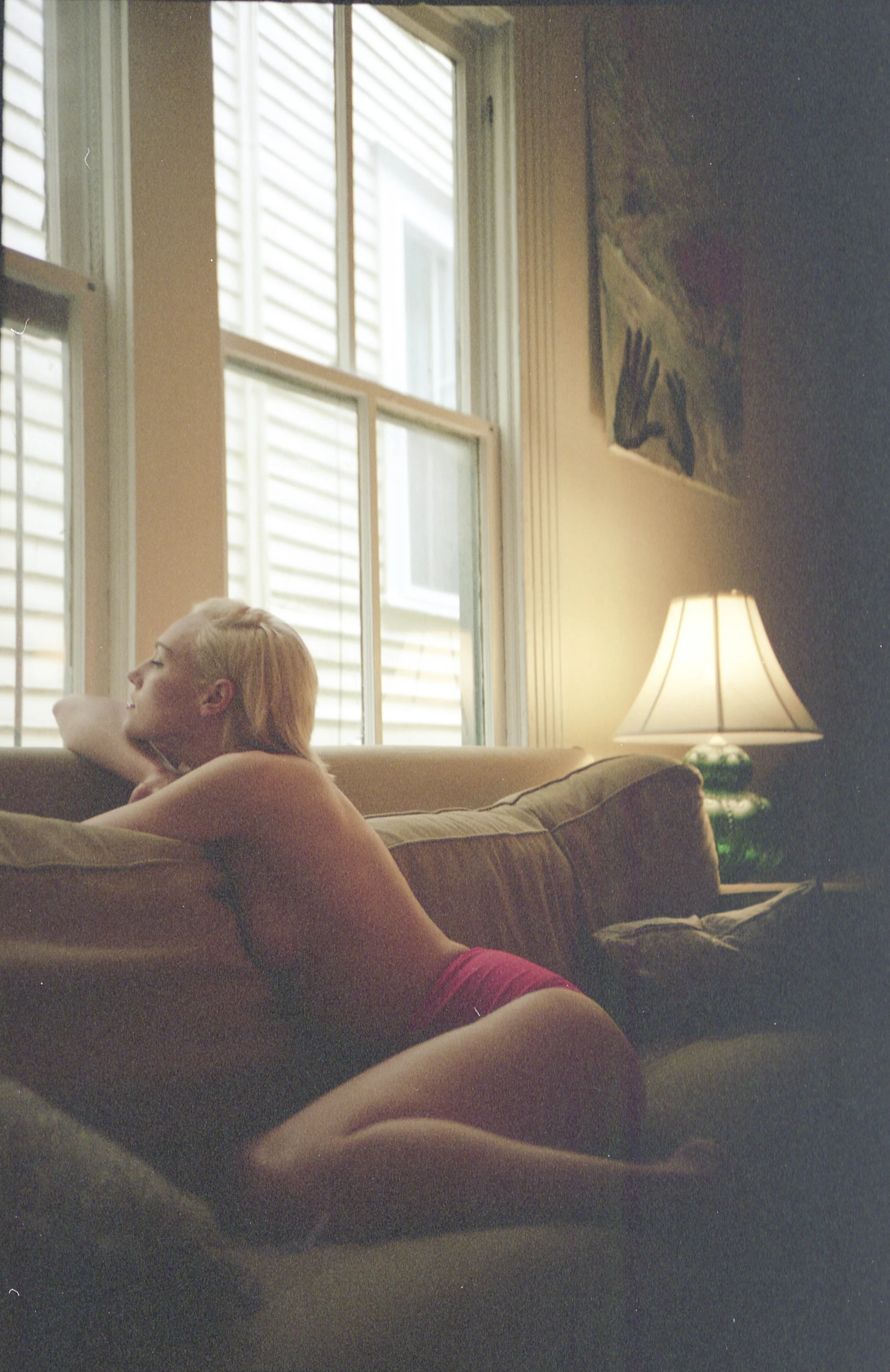
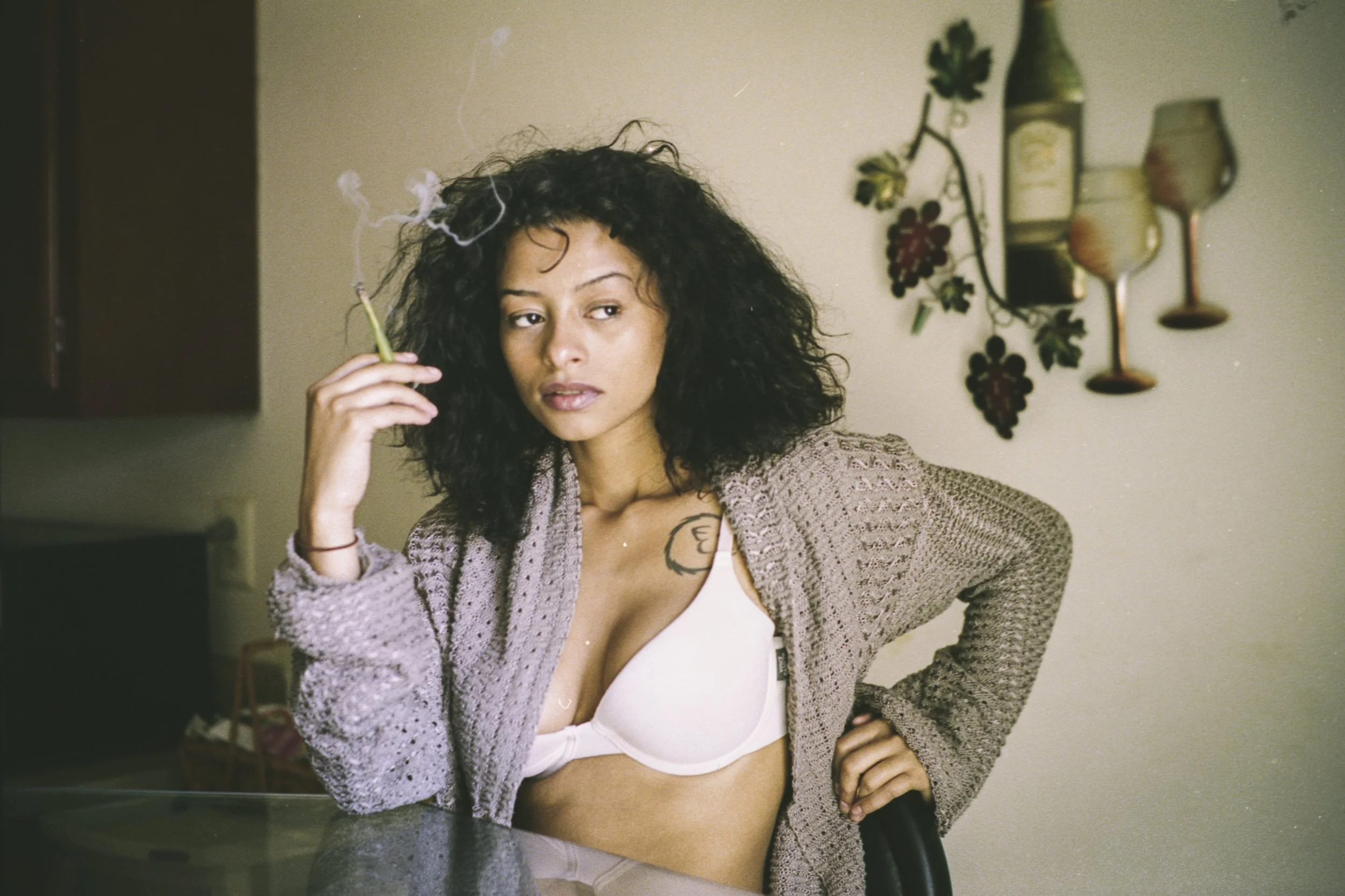
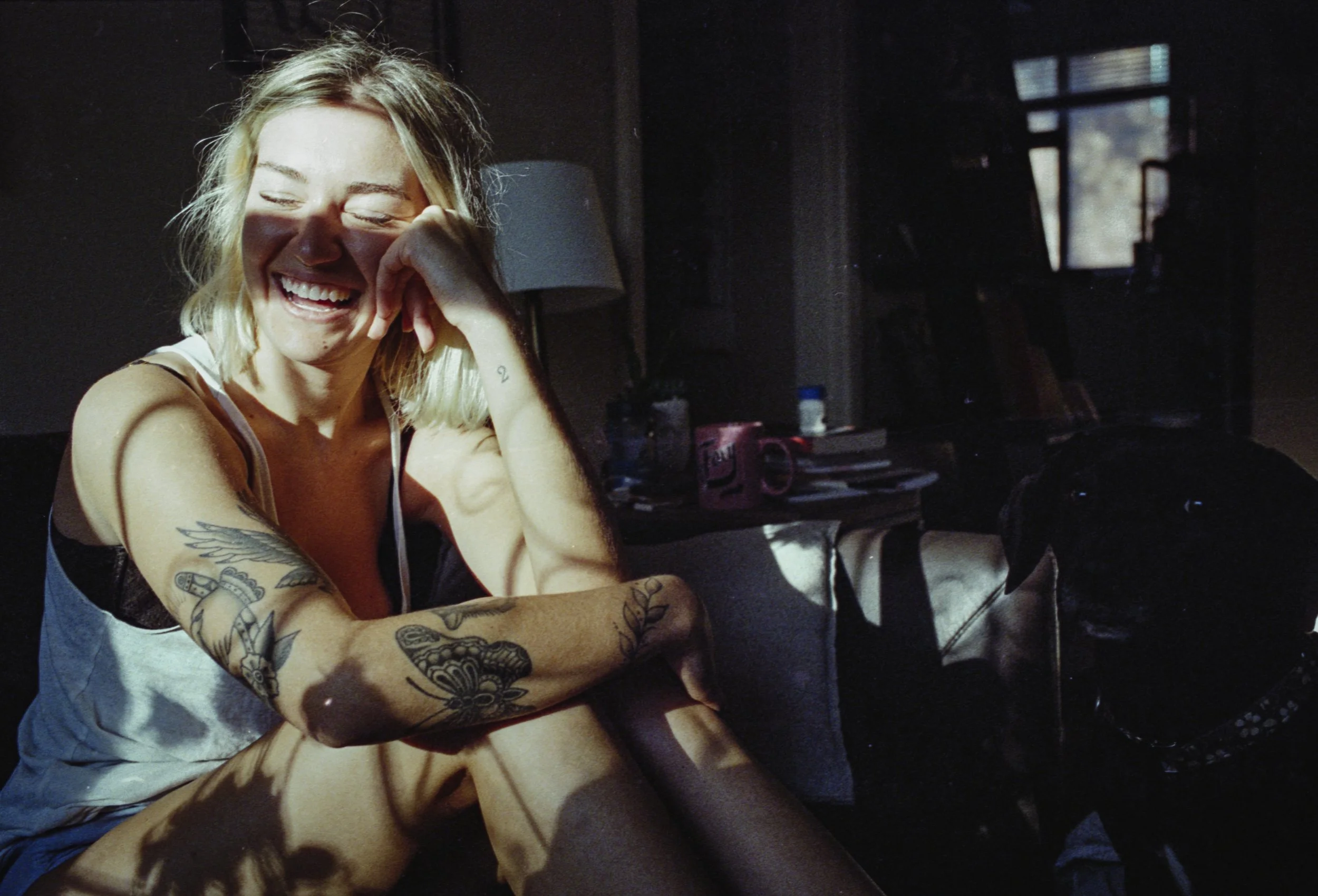
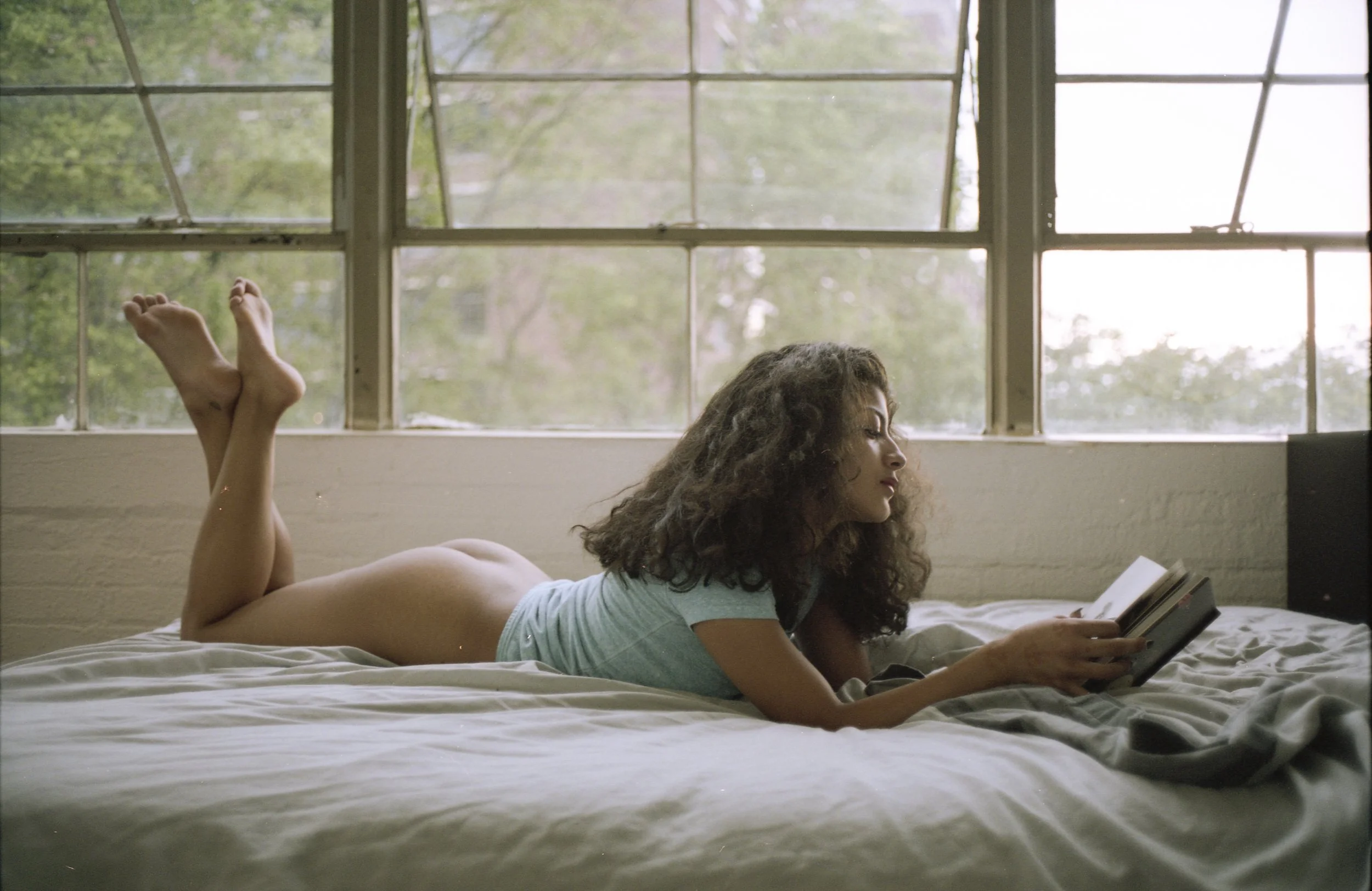
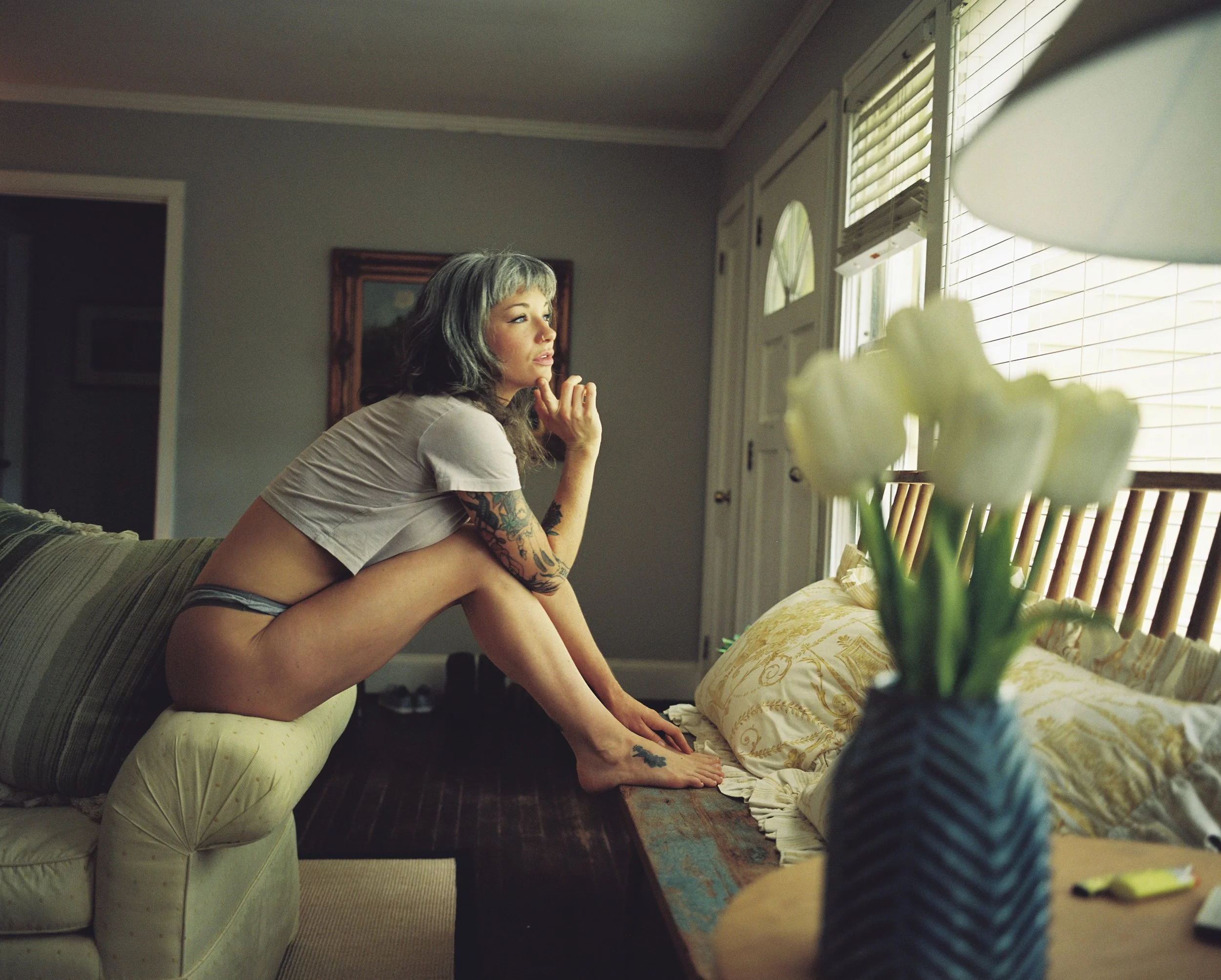
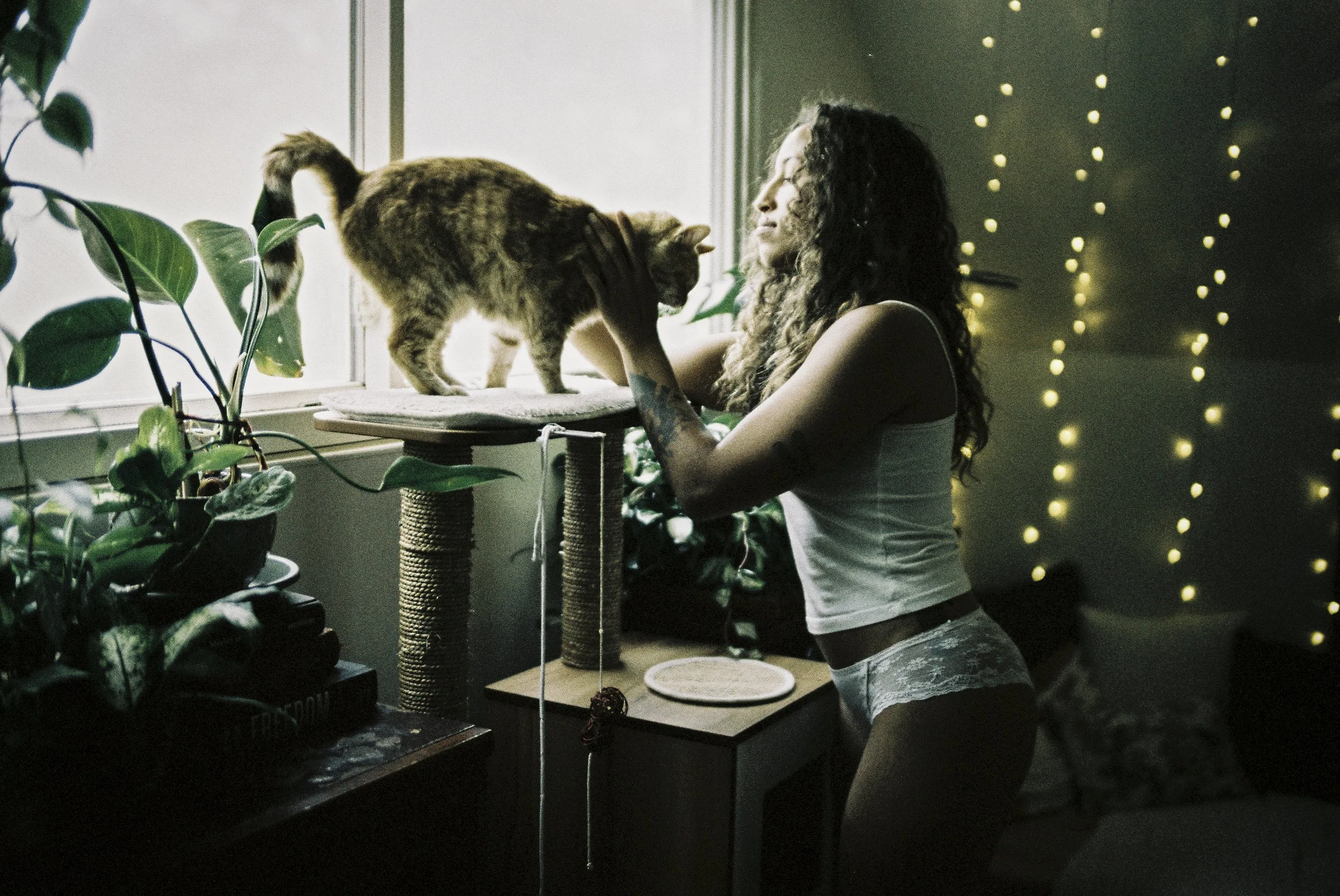
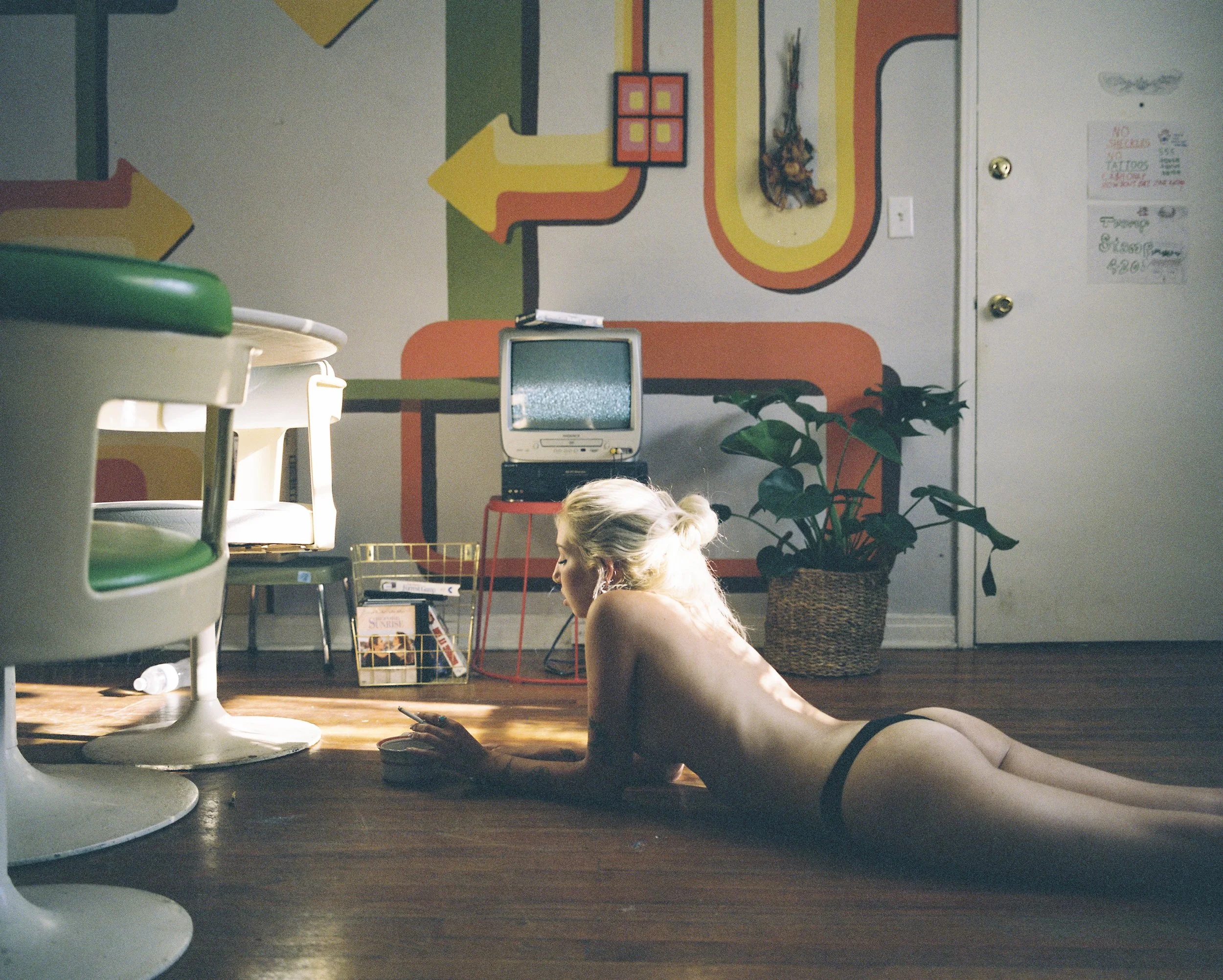
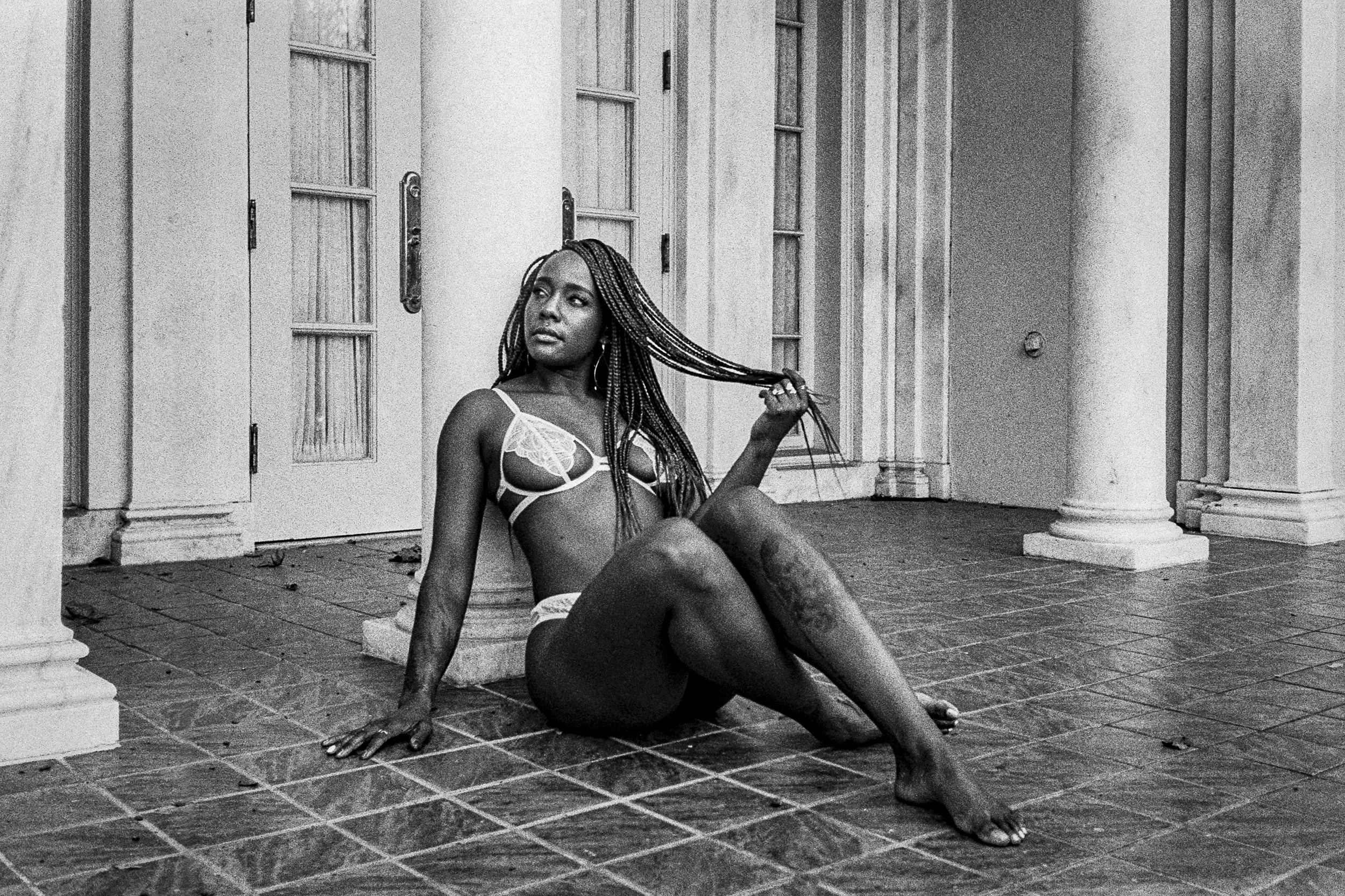
I photograph people as they actually are, in the spaces where they actually live, on medium format film, with the same eye and the same obsession with natural light that I bring to my museum work. Because the way you exist in your own home — unperformed, unfiltered, unscripted — is already art. My work at the Museum of Fine Arts in Houston and the Museum of Contemporary Art in Atlanta taught me that. And now, I want to bring that same intention to your living room.
This is what I offer through The Classic and Sanctuary sessions: fine art intimate portraiture and environmental portraits that celebrate you — exactly as you are, in the space you've built, in the light that already exists.
If you've ever wanted to feel like art but couldn't see yourself in the version of it the world keeps showing you, I'd love to change that.
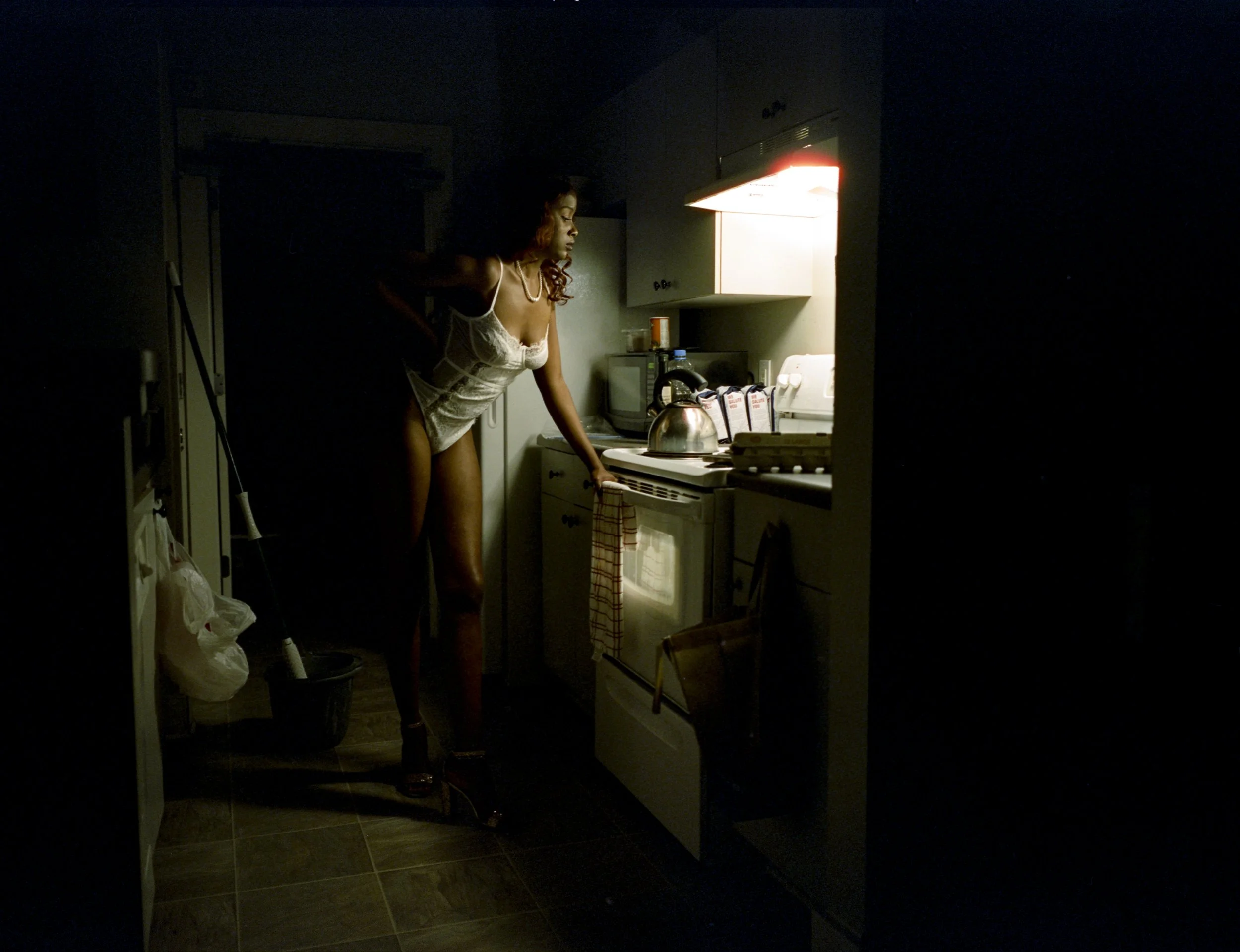
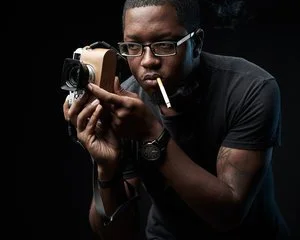
Q. Oliver is a fine art documentary photographer based in Atlanta, Georgia. His work is held in the permanent collections of the Museum of Fine Arts, Houston and the Museum of Contemporary Art, Atlanta. He photographs families, couples, and individuals on medium format film — in their homes, in natural light, as they actually are.
Follow @film_god on Instagram.